
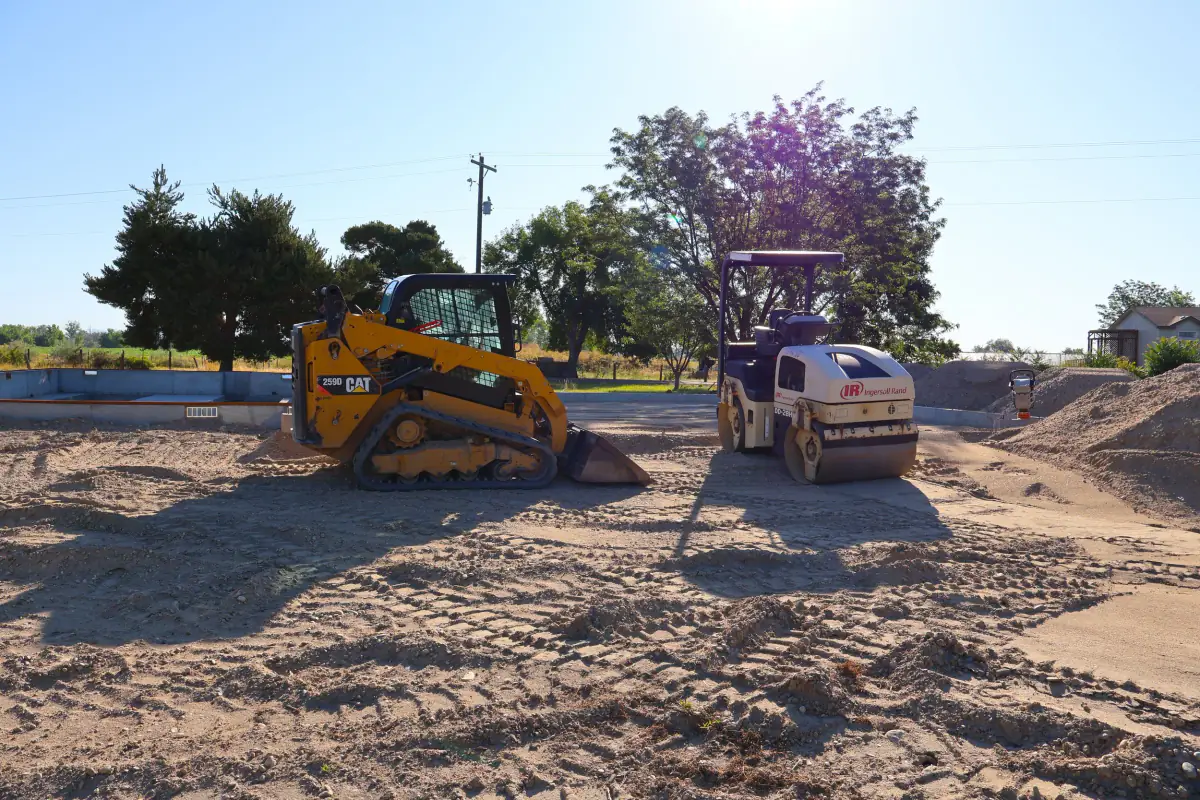
Start with these Spokane County checks
- Confirm whether the property is in Spokane, Spokane Valley, another city, or unincorporated Spokane County before choosing a permit office.
- Use the county manufactured-home permit guide for site, legal-description, installer, foundation, and manufacturer-document requirements.
- Check the current county zoning code and ask about property-specific snow load, soil, frost, flood, fire, and utility conditions.
- Review the route from Nampa, seasonal travel, rural roads, gates, turns, grades, trees, overhead lines, and transporter staging.
Prepare the property before delivery
- 1
Confirm the jurisdiction
Find out which city or county makes the zoning and permit decisions for the property.
- 2
Check the parcel
Verify allowed use, setbacks, easements, utilities, and any property-specific limits.
- 3
Review access and site work
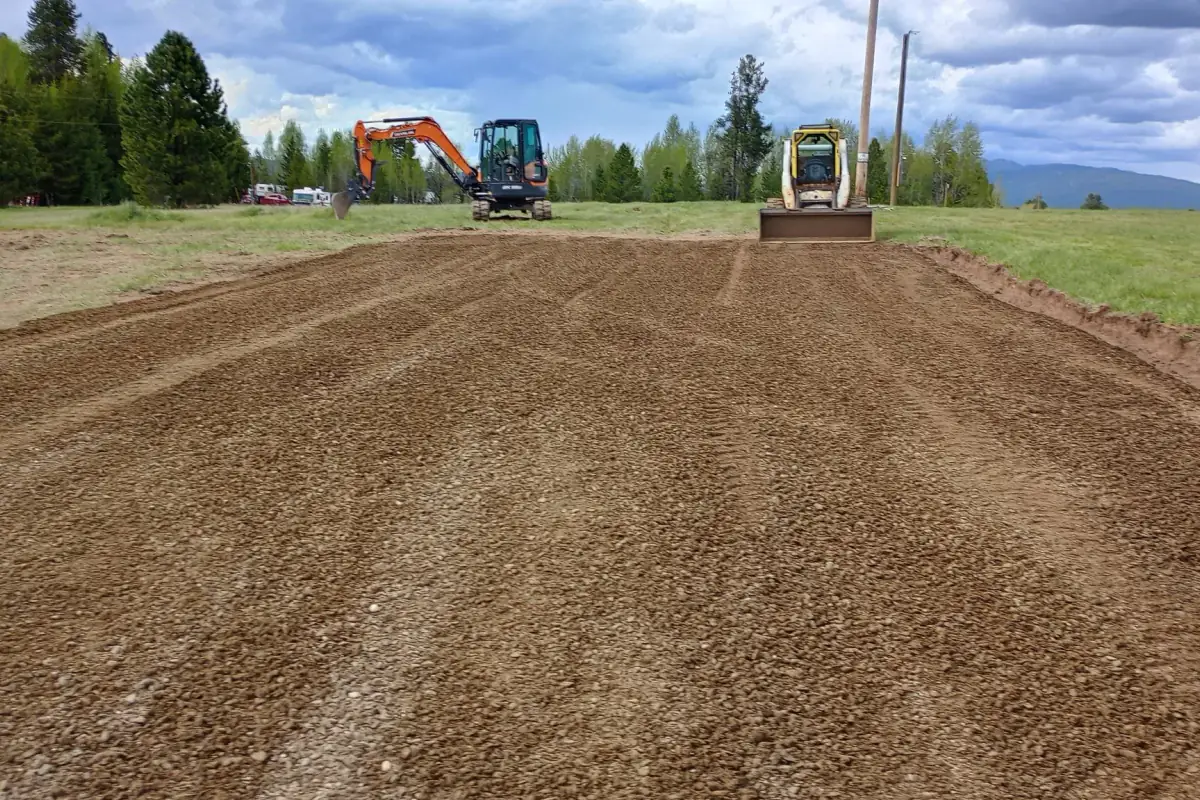
Look at the delivery route, driveway, grades, clearance, soil, foundation, anchoring, and utility connections.
- 4
Match the home to the site
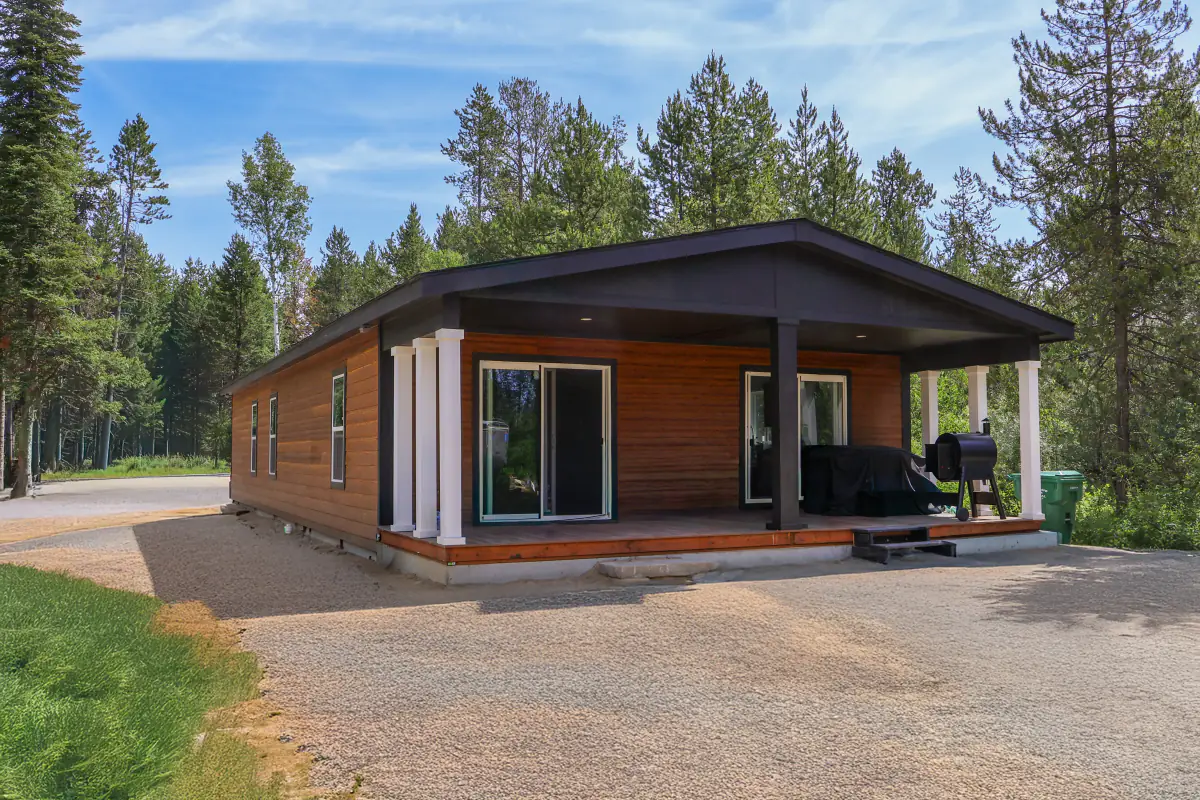
Compare floorplans after the site's basic dimensions and requirements are understood.
Check the current local rules
Sources reviewed July 10, 2026. Requirements can change, so confirm them for the exact property.
Related delivery areas
Spokane County manufactured-home FAQs
Does Spokane County permit homes inside Spokane city limits?
No single county path covers every address. Incorporated cities can have their own zoning and permit offices, while the county serves unincorporated property.
What does Spokane County's manufactured-home permit guide request?
The county guide addresses property, site, installer, manufacturer, and foundation information. Confirm the current checklist and parcel-specific additions before submitting.
Why can snow-load information matter in Spokane County?
County conditions vary by location and elevation. Ask the building office what site-specific structural, foundation, snow, frost, and design information applies.
Can Skyline serve a rural Spokane County parcel?
Skyline reviews rural requests individually. Distance, route, seasonal access, road and driveway conditions, installer support, utilities, site work, and approvals must align.